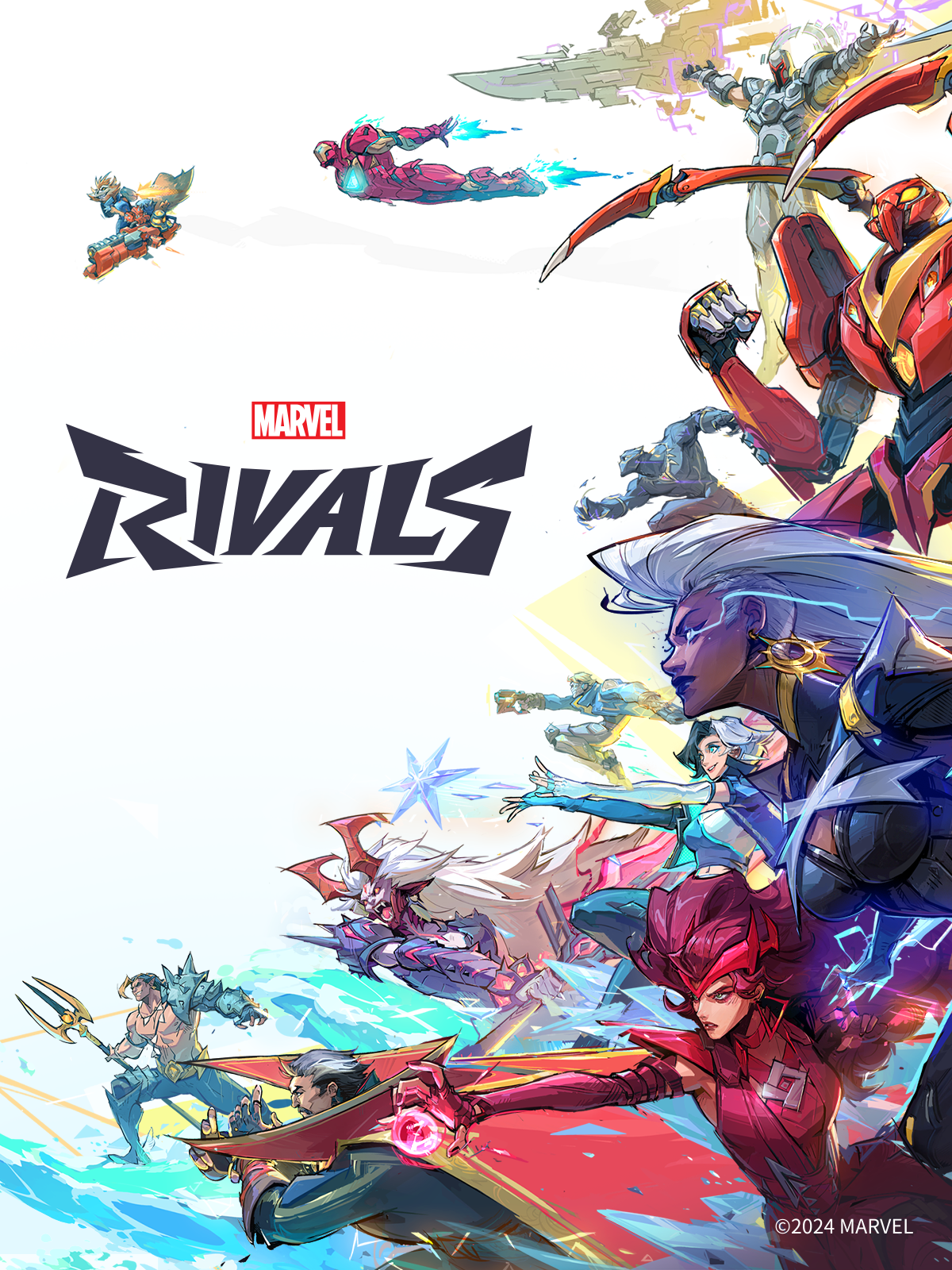
How to Communicate Meaning Through Writing
Have you ever noticed how difficult it can be to communicate exactly what you mean through text? When we speak to someone, meaning comes from more than our words. Tones of voice, facial expressions, pauses, volume, and body language all help communicate whether we are joking, angry, sarcastic, or completely serious. Writing removes most of those tools. The writer has to recreate them using diction, punctuation, sentence structure, organization, examples, and tone. This becomes especially important when a company communicates with a large online community. A vague statement, unexplained decision, or poorly worded announcement can easily create confusion. Even when the company believes its intentions are obvious, players may interpret its actions very differently.
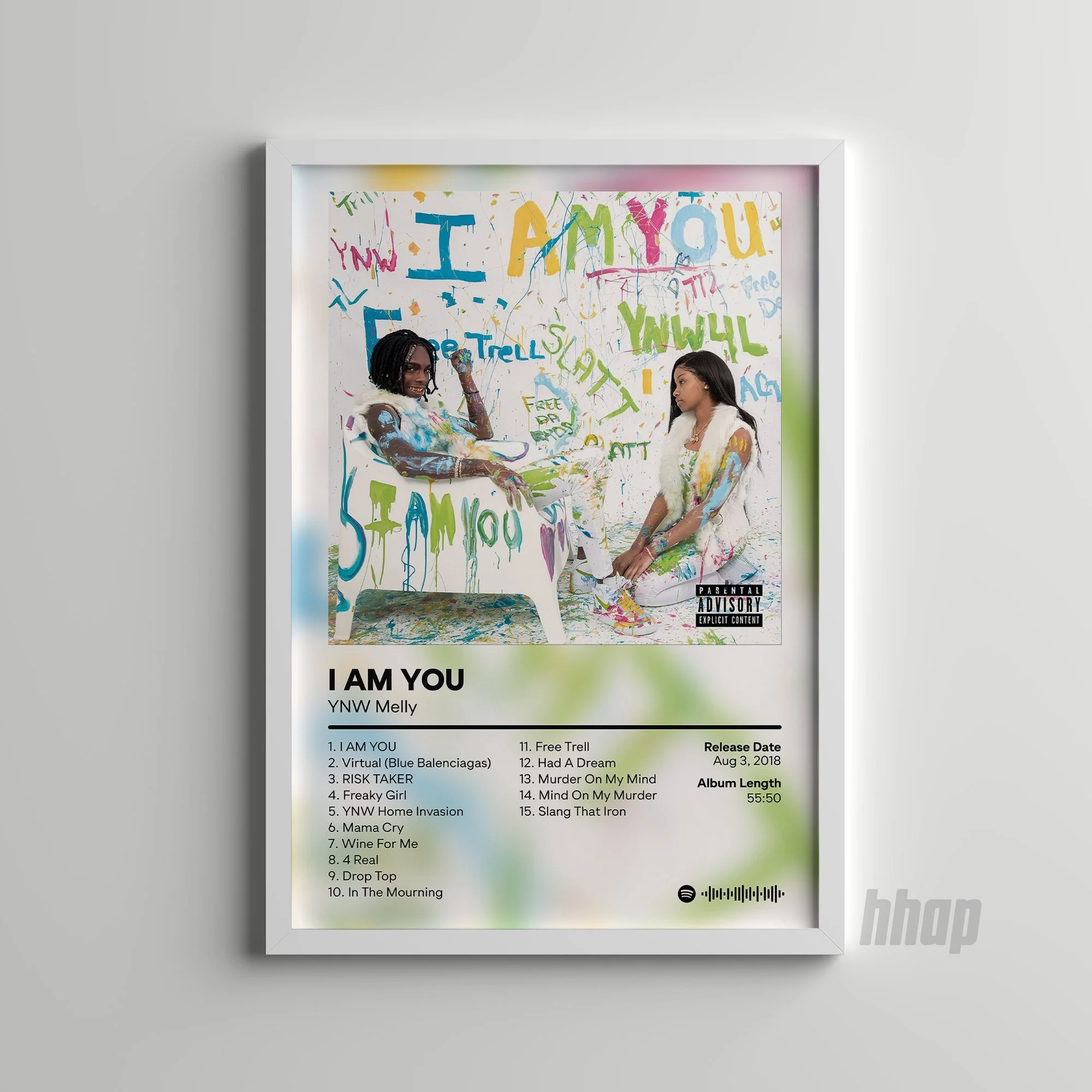
YNW Melly showcases the power of POV
Something I have always raised an eyebrow at is how quickly some people discredit rap and hip-hop as forms of storytelling. Critics have dismissed rap as little more than “rhythmic speaking” or argued that the genre has become meaningless because it supposedly failed to evolve. I find that strange because those criticisms ignore something built directly into the name: rhythm and poetry. There is also a much larger conversation about racial bias and the history of people dismissing Black music, and I do think that conversation matters. However, that is not what I want to focus on here. Instead, I want to look at the writing itself. Rap can use many of the same techniques we study in novels, short stories, poems, and plays: point of view, imagery, repetition, characterization, irony, symbolism, pacing, and emotional appeal. Explicit subject matter does not automatically remove those techniques. If anything, sometimes difficult subject matter gives writers more opportunities to use them.
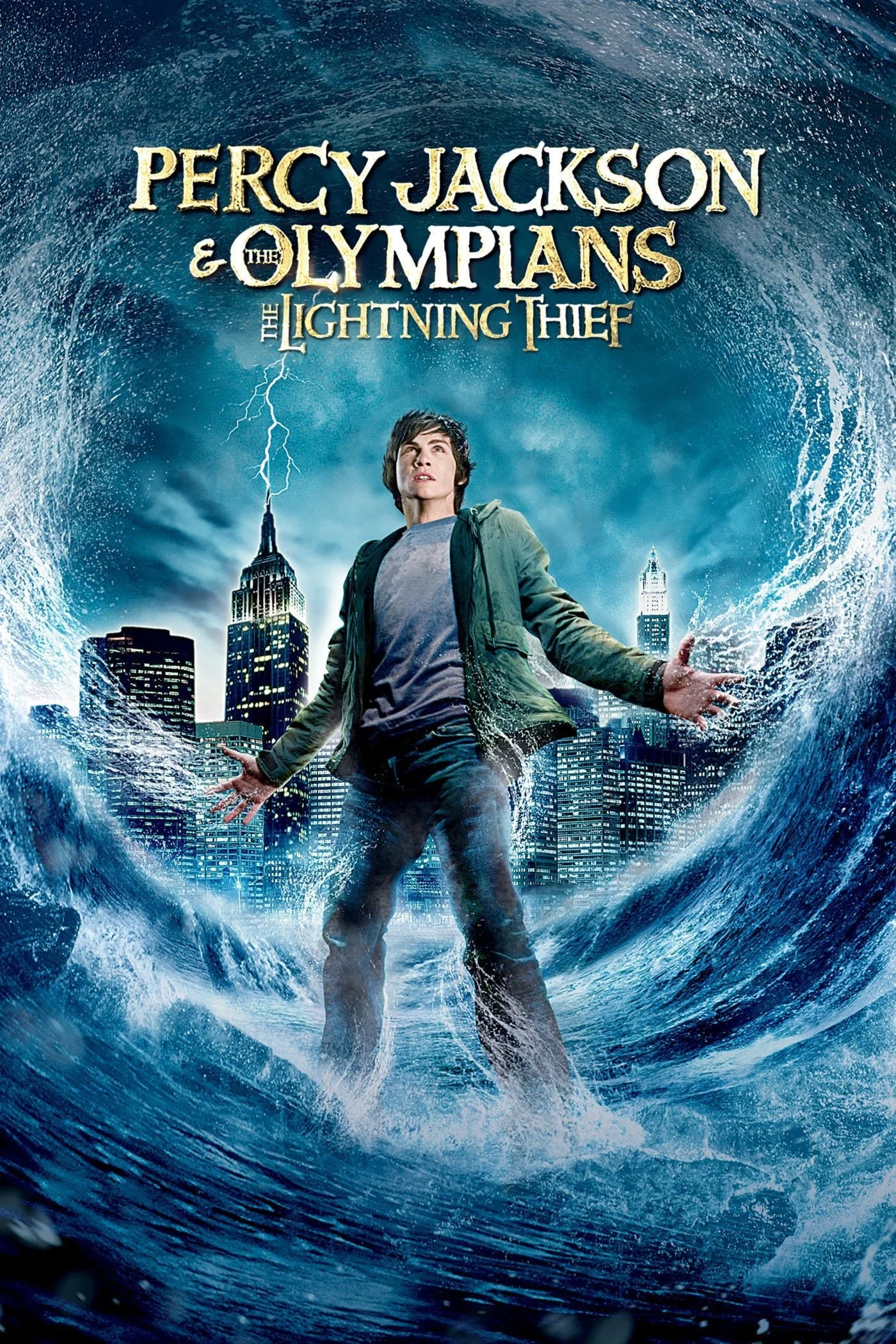
What the Percy Jackson Movies Can Teach Us About Adaptation, Tone, and Figurative Language
The 2010 and 2013 releases of Percy Jackson & the Olympians: The Lightning Thief and Percy Jackson: Sea of Monsters were not exactly critical favorites, but I loved them when I was younger.
And I mean loved them.
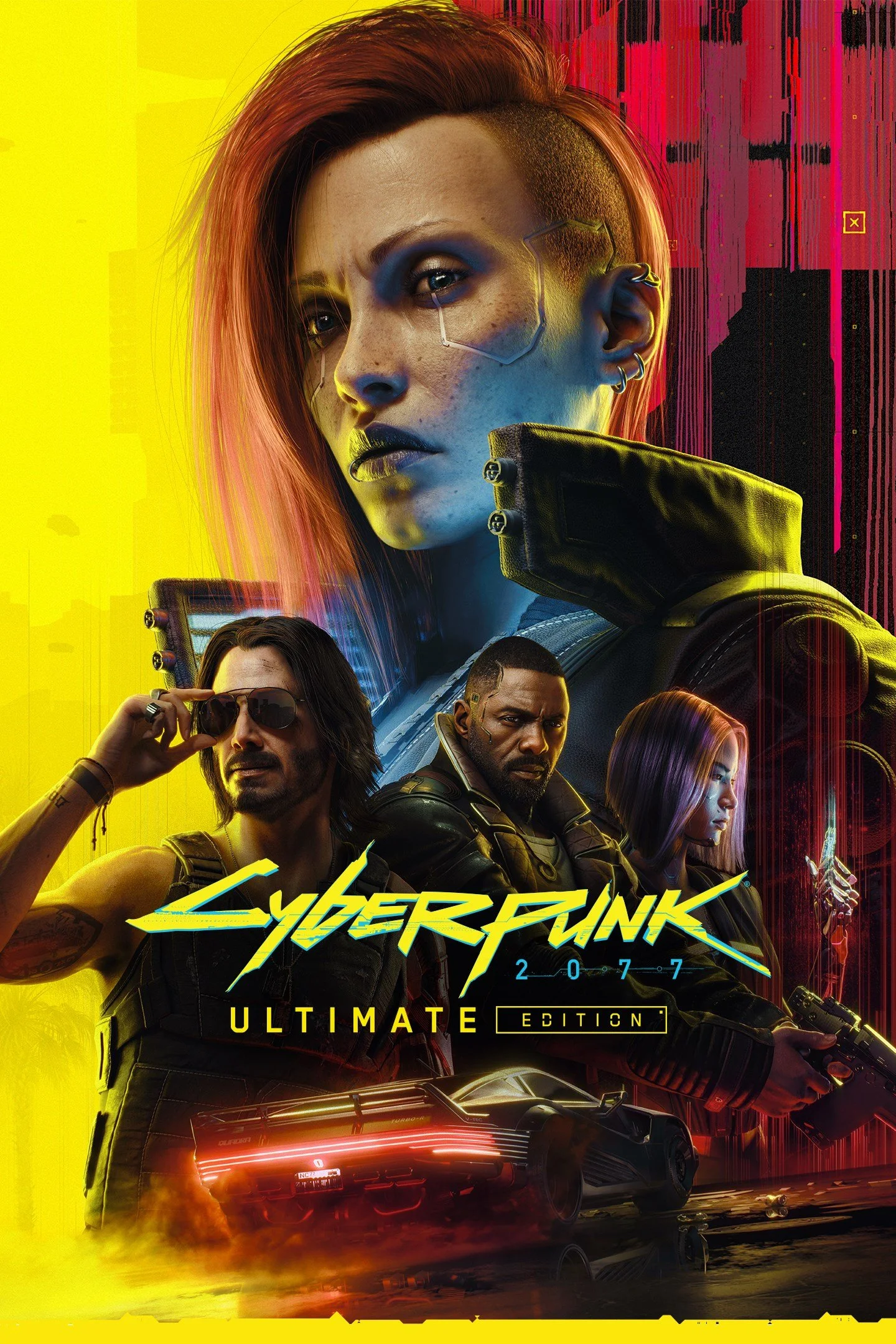
Cyberpunk 2077: Why This Game Changed How I Think About Storytelling
When Cyberpunk 2077 was announced, I was hooked. Not because of its graphics or ray tracing, but because of its story. I was just getting into tabletop role-playing games and learning about ideas like trans-humanism, so seeing the world of Cyberpunk transformed into a video game fascinated me.
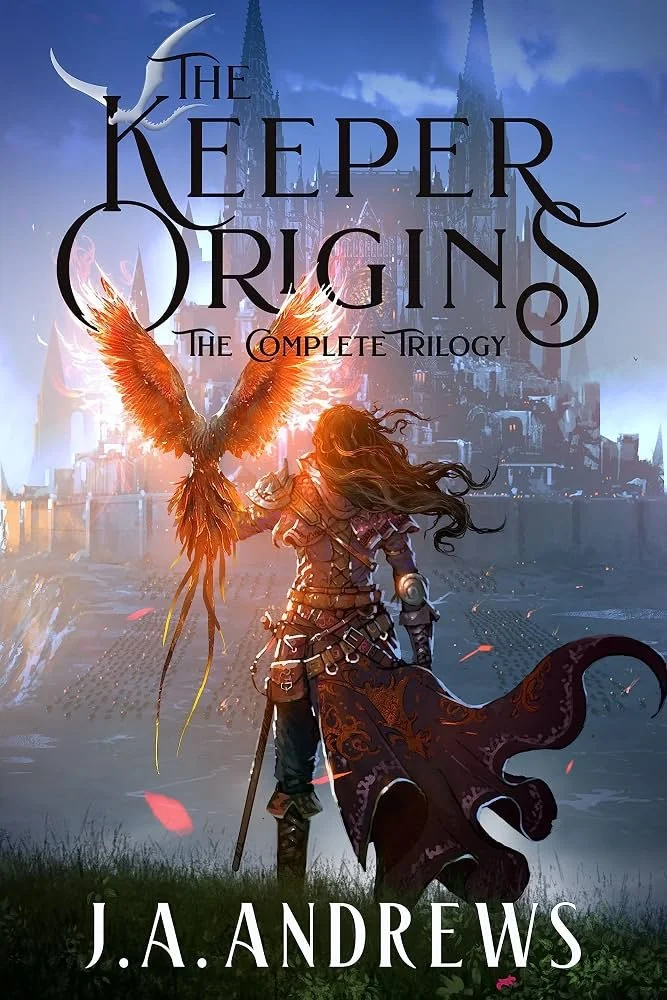
What The Keeper Origins Can Teach Us About Speeches, Stakes, and Storytelling
Before getting too deep into this, I should say that I actually enjoyed this trilogy quite a bit. My complaints will probably make it sound like I hated it, but that is not the case. In fact, some of the things the series does well, especially its speeches, characterization, and use of figurative language, were strong enough to keep me invested even when other parts of the story frustrated me.